










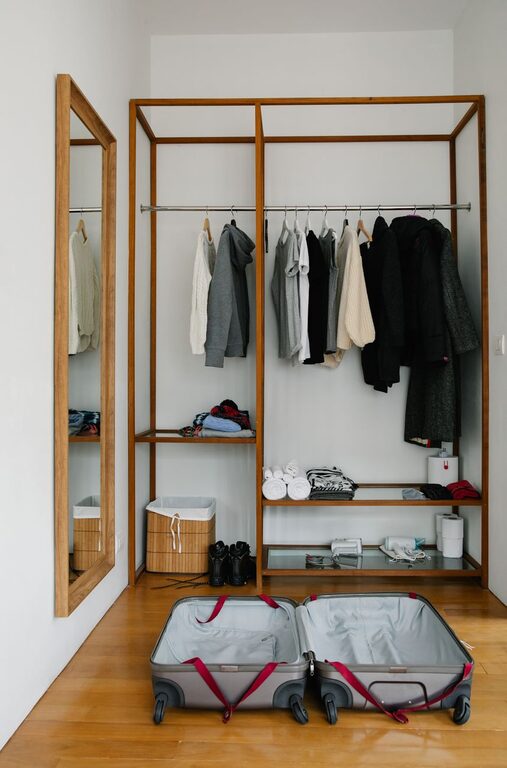
Storing seasonal clothes efficiently can save you space, protect your garments, and make it easier to switch your wardrobe when the seasons change. Whether you’re packing away bulky winter coats or lighter summer dresses, proper storage helps keep your clothes in good condition and your home clutter-free. In this post, we’ll share practical tips and ideas for storing your seasonal clothes in an easy, organized way.
Why Proper Seasonal Clothing Storage Matters
Storing clothes properly during the off-season:
– Saves closet and drawer space for the clothes you wear daily.
– Protects fabrics from dust, moisture, insects, and wrinkles.
– Makes it easier to find and access clothes when the season changes.
– Prolongs the life of your garments by preventing damage.
Without efficient storage, clothes can become wrinkled, musty, or even damaged by pests. Taking the time to store them correctly pays off in the long run.
Preparation: Clean and Sort Before Storage
Before putting clothes away, preparation is key.
Wash and Dry Everything
– Wash or dry clean clothes according to their care labels.
– Make sure all items are completely dry to avoid mold and mildew.
– Remove stains before storing to prevent permanent marks.
Inspect and Repair
– Check for missing buttons, loose threads, or small tears.
– Repair clothes before storing to avoid damage worsening over time.
Sort and Declutter
– Assess which items you truly want to keep.
– Donate or recycle clothes you no longer wear or need.
– Group clothes by category (e.g., sweaters, jackets, pants) for easier access later.
Choosing the Right Storage Containers
The type of container you use can make a big difference in how well your clothes are preserved.
Breathable Storage Options
– Use cotton or canvas garment bags for delicate items.
– Store clothes in breathable fabric bins to prevent moisture buildup.
Airtight Containers for Protection
– Plastic bins with tight-fitting lids can keep out pests and dust.
– Add silica gel packets or moisture absorbers to control humidity.
Vacuum-Sealed Bags for Space Saving
– Vacuum bags compress bulky items like coats and blankets.
– Be cautious using these for delicate fabrics that need air circulation.
Label Everything
– Clearly label each container with its contents.
– Use tags or write on the bins to make finding clothes simple.
How to Store Different Types of Clothes
Different garments require different storage methods to keep them in top shape.
Knits and Sweaters
– Fold sweaters to avoid stretching.
– Store in breathable bins with cedar blocks to repel moths.
– Avoid hanging knits as they can lose shape.
Coats and Jackets
– Use sturdy hangers for coats.
– Cover with garment bags to protect from dust.
– For long-term storage, consider breathable storage boxes.
Dresses and Formal Wear
– Hang dresses on padded hangers to maintain shape.
– Use garment bags for protection.
– Avoid cramming to prevent wrinkles.
T-Shirts and Casual Wear
– Fold and store in bins or drawers.
– Keep items you use less frequently in top or bottom drawers.
Shoes and Accessories
– Clean shoes before storage.
– Use shoe boxes or clear bins.
– Store accessories like scarves and hats in labeled containers.
Optimizing Your Storage Space
Using your space wisely helps keep clothes accessible and organized.
Utilize Under-Bed Storage
– Flat bins or vacuum bags fit well under beds.
– Great for off-season shoes or bulky coats.
Use High Shelves or Attics
– Store bins on high shelves or in unused spaces.
– Ensure the area is dry and well-ventilated.
Closet Organization Tools
– Install shelves, hooks, and rods to maximize vertical space.
– Use hanging organizers or cubbies for small items.
Tips for Maintaining Clothes During Storage
– Check on stored clothes every few months.
– Air them out if needed to prevent musty smells.
– Replace cedar blocks or moisture absorbers as they lose effectiveness.
When It’s Time to Switch Seasons
Have a plan for rotating your clothes.
– Schedule a seasonal wardrobe swap.
– Clean and inspect clothes before bringing them back into use.
– Rearrange storage containers to keep things tidy.
Conclusion
Storing seasonal clothes efficiently not only protects your garments but also keeps your living space organized and clutter-free. With the right preparation, storage containers, and space-saving techniques, you can enjoy a smooth wardrobe transition each season. Remember to clean, sort, and label your clothes before storage, and choose the best methods for each type of garment. A little care now will make your seasonal clothes ready to wear whenever the weather changes.