









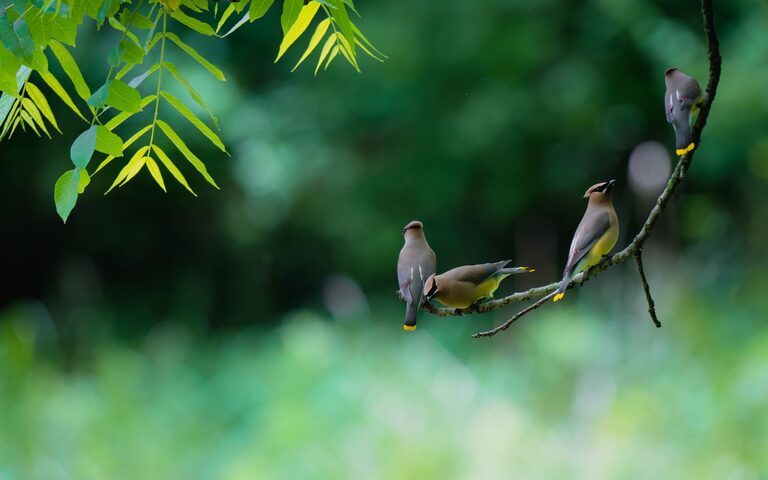
Birdwatching is a rewarding and peaceful hobby that anyone can enjoy, especially right in their own backyard. Whether you live in a bustling city or a quiet suburb, your outdoor space can become a lively spot for observing different bird species. If you’re new to birdwatching, this guide offers simple tips to help you get started and make the most of your experience.
Why Birdwatch in Your Backyard?
Birdwatching at home offers numerous benefits. It allows you to connect with nature without needing to travel far. Watching birds can also be relaxing and a great way to learn about the variety of species that live nearby. Plus, it’s an activity that suits all ages and skill levels.
Getting Ready: What You’ll Need
Before you begin, consider gathering a few basic items that will enhance your birdwatching experience.
Essential Tools
– Binoculars: A good pair of binoculars makes it easier to see birds clearly from a distance.
– Bird Identification Guide: A book or an app can help you identify birds by their size, color, and behavior.
– Notebook or Journal: Recording your sightings can enrich your experience and track what birds visit over time.
Optional Extras
– Bird Feeder: Attract birds to your yard by offering food, but avoid placing feeders too close to windows.
– Bird Bath: Fresh water encourages birds to visit and can attract a wider variety.
– Camera: Capture photos to help with identification and share your observations.
Creating a Bird-Friendly Backyard
Making your outdoor space inviting for birds is key. Here’s how to create a welcoming environment.
Provide Food Sources
Birds need nutritious food year-round. Use feeders filled with seeds suitable for the birds in your area. Sunflower seeds, nyjer seed, and suet are popular choices. Also, planting native plants that produce berries or seeds adds natural food options.
Offer Water
Birds require water for drinking and bathing. A shallow bird bath placed in a safe spot can become a popular gathering place. Remember to clean it regularly to keep the water fresh.
Add Shelter and Nesting Spots
Plant shrubs, trees, and bushes to offer birds places to hide from predators and rest. Nest boxes can also encourage birds to raise their young nearby.
Keep It Safe
Avoid using pesticides and keep cats indoors or supervised, as these can threaten visiting birds.
Tips for Watching Birds Successfully
Once your backyard is set up, it’s time to observe!
Be Patient and Quiet
Birdwatching requires calm and patience. Birds may take time to approach, so try to remain still and avoid loud noises.
Choose the Right Time
Early mornings and late afternoons are typically the best times to watch birds when they are most active.
Watch for Movement and Sounds
Look for fluttering leaves or listen for bird calls to spot them more easily.
Learn Bird Behavior
Understanding how birds behave can help you identify species and anticipate their movements.
Recording and Sharing Your Observations
Keeping a birdwatching journal is a fun way to remember what you see. Note the date, time, weather, and bird species. You can also join online birdwatching communities or apps to share your sightings and learn from others.
Additional Resources for Beginners
There are many resources available for new birdwatchers:
– Local birdwatching clubs and groups
– Nature centers with birdwatching programs
– Mobile apps such as Merlin Bird ID and eBird
– Books on backyard birds and birdwatching techniques
Final Thoughts
Backyard birdwatching is an accessible and enjoyable way to connect with nature. By creating a bird-friendly space, being patient, and learning about local species, you can uncover a world of fascinating birds right outside your door. Happy birdwatching!