










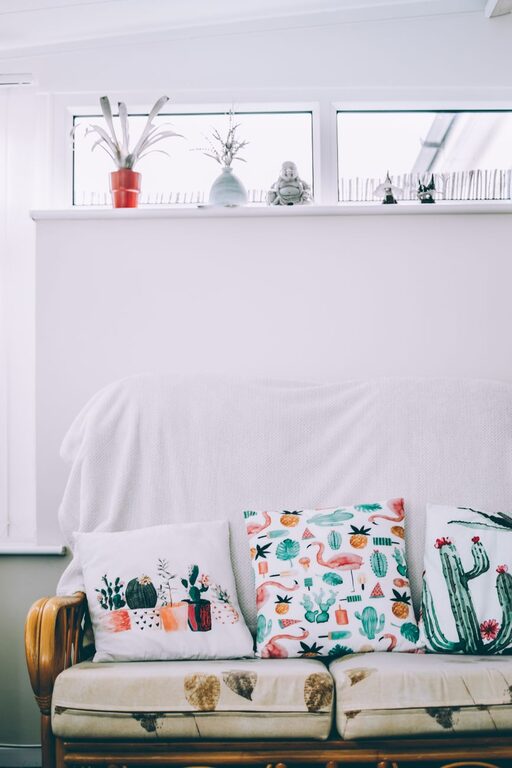
A dark room can feel cramped, gloomy, and uninviting. Whether you’re dealing with limited natural light or heavy shadows, there are many quick and affordable ways to brighten your space and lift its mood. The key is to make use of light sources, reflective surfaces, and color choices that enhance brightness without requiring a full renovation.
In this post, we’ll explore practical ideas to brighten a dark room easily. From lighting adjustments to decor changes, these tips will help your room feel lighter and more spacious.
1. Maximize Natural Light
Keep Windows Clear
Start by making sure your windows are clean and unobstructed. Dirt, grime, and heavy curtains can block much-needed sunlight. Swap thick drapes for sheer curtains or blinds that can be fully pulled back to let in the maximum amount of light during the day.
Use Mirrors Strategically
Mirrors reflect natural light and can visually double the brightness of a room. Place a large mirror opposite or adjacent to a window to bounce light around the room. Even small mirrors combined into a gallery wall can help lighten dark corners.
2. Choose Light Colors
Light Walls and Ceilings
Painting walls and ceilings in light, neutral tones like white, soft beige, pale gray, or pastels instantly brightens a room. Lighter colors reflect more light than darker shades, making the space appear larger and airier.
Bright Furnishings and Textiles
Select furniture and textiles in light colors to complement your walls. Linen or cotton cushions, throws, and rugs in bright or pastel tones create brightness without overwhelming the room. Avoid overly dark or heavy fabrics that absorb light.
3. Enhance Artificial Lighting
Layer Your Lighting
A mix of light sources creates a bright and inviting atmosphere. Use a combination of ceiling lights, floor lamps, table lamps, and wall sconces to evenly distribute light. This approach eliminates shadows and dark spots.
Opt for Warm, Bright Bulbs
Choose LED bulbs with a color temperature between 2700K and 3000K for warm but bright lighting. Aim for bulbs with high lumens to ensure your room is well-lit without feeling harsh.
Use Light Fixtures That Amplify Light
Fixtures with reflective surfaces or translucent shades allow light to spread further. Avoid dark-colored lampshades that absorb light.
4. Incorporate Reflective and Glossy Surfaces
Shiny surfaces reflect light, helping to brighten the space. Some ideas include:
– Glass or mirrored coffee tables and shelves
– Metallic accents like brass or chrome lamps and frames
– Glossy paint finishes on furniture or walls
– Light-colored hardwood or laminate floors with a smooth finish
These reflective elements help bounce light around for a naturally brighter room.
5. Declutter and Use Minimalist Decor
Clutter can make a dark room feel even smaller and more oppressive. Keep surfaces clear and storage organized to allow light to flow freely. Choose minimalist decor with simple lines and fewer bulky pieces to maintain an open feel.
6. Add Pops of Color for Energy
While the base should be light and neutral, integrating small pops of bright color can add life and energy. Consider:
– Vibrant cushions or throws
– Colorful artwork or framed prints
– Fresh flowers or green plants in bright pots
These accents catch the eye and can brighten a space without overwhelming it.
7. Use Window Treatments That Enhance Light
If privacy is a concern, opt for window treatments that provide coverage without blocking light, such as:
– Sheer curtains
– Light-filtering roller shades
– Venetian blinds tilted to allow light while maintaining privacy
These options brighten the room without sacrificing your comfort.
8. Bring in Greenery
Plants don’t just add color—they improve the ambiance and sense of life in any space. Select light-loving plants that thrive indoors, like pothos, spider plants, or snake plants, and place them near windows to catch natural light. Reflective pots can enhance the brightening effect.
9. Consider Wall Art and Decorations Wisely
Choose artwork with bright or light backgrounds and keep frames simple and light-colored. Avoid heavy dark frames that absorb light. Wall decals in white or pastel tones can create an illusion of brightness.
10. Smart Use of Rugs
Light-colored rugs open up floors while adding warmth and comfort. Avoid dark rugs that anchor the room downward. Patterns with white or neutral bases and hints of color can add interest without darkness.
—
Final Thoughts
Brightening a dark room doesn’t require major renovations or expensive lighting systems. By thoughtfully increasing the amount of natural and artificial light, selecting light colors and reflective surfaces, and keeping the space clutter-free, you can transform even the gloomiest room into a welcoming, cheerful haven.
Try combining several of these quick ideas to see what works best in your space. With a little creativity and effort, your dark room will soon feel lighter, larger, and more inviting.